Brașov and Sibiu, Romania: The Transylvania Trip That Costs Less Than a Weekend at Home (2026 Guide)
Transylvania has a branding problem: everyone knows the name, almost nobody has been. That gap between fame and footfall is exactly what makes it work as a 2026 budget destination. Medieval squares, fortified hilltop churches, and yes, an actual Dracula castle, all of it priced like the region tourism forgot, which, largely, it has.

Daily Budget Benchmarks for Transylvania in 2026
- Accommodation: hostel dorms in Brașov and Sibiu run roughly €14 to €20 a night at highly rated properties.
- Attractions: historic centres and fortified churches in Brașov, Sibiu and Sighișoara are free to explore; major castles and museums run €3 to €25.
- Transport: trains between Transylvanian towns cost €5 to €15 and are the more scenic option over buses.
- Total daily budget: around €45 to €60 a day covers a comfortable, unhurried trip through the region.
What to See, Mostly for Free
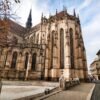
Sibiu’s Piața Mare (Great Square) is the region’s single best free attraction: pastel Baroque townhouses, and rooftops lined with narrow dormer windows that locals call the city’s “eyes,” watching over the square below. The Council Tower, Turnul Sfatului, is free to view from outside and cheap to climb for the view over the old town’s tiled roofs. In Brașov, the medieval centre and the fortified Black Church cost nothing to walk past, and Bran Castle, the building behind the Dracula legend, runs around €12 entry, modest for what is genuinely one of Europe’s most striking castles.
Where to Eat
Look for a meniu zilei, daily menu, in either city for two or three courses well under €10. Sarmale, cabbage rolls stuffed with meat and rice, and mici, grilled minced-meat rolls, are the two dishes to order everywhere, sold from small local kitchens at a fraction of restaurant prices.
Local Tips Only Locals Know
Staying just outside the historic centre, the Schei district in Brașov specifically, can cut accommodation costs by 30 to 40 percent with a walk of only ten extra minutes. Timing matters more here than almost anywhere else on this list: July and August bring both the crowds and the price spikes, while May, September and early October deliver the same medieval streets with noticeably thinner crowds and lower rates. Take the train between Transylvanian towns rather than the bus wherever the schedule allows, the routes cut directly through forested hills and fortified-church villages, and the ride itself becomes part of the trip. Sighișoara, roughly between Brașov and Sibiu, is worth a stop of its own: a genuinely lived-in medieval citadel, not a reconstruction, and most day-trippers skip it entirely.
Next in the Series: Wrocław
Like Bratislava, Transylvania rewards travellers willing to go one region further than the obvious stop. Next in the series: Wrocław, Poland, a city of a thousand tiny bronze dwarves and a market square to match Kraków’s at a fraction of the crowd.
Which Transylvanian town should we cover in full next, Sighișoara or Bran? Tell us on Instagram: @ytrips.eu.
Cost and pricing data sourced from Romanian Friend and Hostelz (2026). Figures are approximate and vary by season.