Sarajevo, Bosnia: Where East Meets West on the Same Street (2026 Guide)
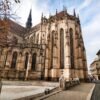
There is a literal line in the pavement on Ferhadija street marking where Ottoman Sarajevo ends and Austro-Hungarian Sarajevo begins, minarets on one side, church spires and belle-époque facades on the other. No European capital wears its layered history this visibly, and few do it this cheap.

Daily Budget Benchmarks for Sarajevo in 2026
- Accommodation: clean, central hostel dorm beds start around €16 to €22 a night.
- Food: a full ćevapi plate is €4 to €5; a sit-down restaurant dinner with wine runs €15 to €22.
- Transport: a single tram or bus ticket is around €1; the old town is entirely walkable.
- Total daily budget: around €40 to €55 a day for a comfortable trip.
What to See, Mostly for Free
Baščaršija, the Ottoman-era old bazaar, is free to wander for hours: copper workshops, the Sebilj fountain, and cobblestone lanes that have functioned as a market since the 15th century. The Latin Bridge, where the assassination that triggered the First World War took place, costs nothing to see. For paid sites, the National Museum drops its entry fee to a token amount in its final opening hour each day, arrive at 6pm rather than earlier.
Where to Eat
Ćevapi, small grilled minced-meat sausages served in flatbread with onion, is the dish that defines the city, and a proper čevabdžinica away from the main bazaar strip serves a full plate for under €5. Bosnian coffee, served in a copper pot with rahat lokum on the side, is a ritual worth slowing down for, and rarely costs more than €1.50.
Local Tips Only Locals Know
Free walking tours run daily from Baščaršija on a tip-what-you-think-it’s-worth basis, and are genuinely worth more than the entry fee to most paid museums in the city, the guides are locals who lived through the 1990s siege and the history lands differently in person. Skip taxis entirely, the compact centre makes almost everything walkable, and what isn’t is a short tram ride away. The Yellow Fortress and White Fortress, both free to enter, deliver the best sunset views over the city and see a fraction of the crowds of the old bazaar below.
Next in the Series: Belgrade
Sarajevo follows Tirana deeper into the Balkans, a region still radically undervalued by mainstream European travel content. Next: Belgrade, Serbia, a river-fortress capital with genuinely free public transport.
Save this one before your next Balkans trip, and follow @ytrips.eu for more.
Cost and pricing data sourced from Budget Your Trip and TheWorldTravelIndex (2026). Figures are approximate and vary by season.