How to Travel Europe on an Accessible Budget in 2026: The Complete Insider Guide
There is a version of European travel that costs a fortune and delivers very little. Overpriced hotels near the main square, tourist-menu restaurants, guided bus tours that keep you sixty seconds ahead of the next group. And then there is the version that people who actually know Europe travel. Slower, smarter, more immersive. And almost always significantly more affordable.
This guide is for the second type of traveller. It covers everything from real 2026 daily cost benchmarks to the transport decisions that make the biggest difference. Read it end to end and you will leave with a genuinely different approach to planning your next trip.
The Real Daily Cost Benchmarks for 2026
Before tactics, context. These are realistic daily budgets based on current 2026 data, covering a hostel dorm, two meals, local transport and one activity per day.
Eastern Europe
Poland, Hungary, Romania, Bulgaria: €35 to €55 per day. This region continues to offer the strongest value on the continent by a significant margin.
Central Europe
Czech Republic, Slovakia, inland Croatia: €45 to €70 per day. Still well below Western European rates with excellent infrastructure and city quality.
Southern Europe
Portugal, Spain outside the major tourist centres: €60 to €85 per day. Requires more careful planning but delivers outstanding food and culture per euro spent.
Western Europe
France, Germany, Netherlands: €75 to €100 per day. Achievable on a focused plan but demands the most discipline around accommodation and food choices.
Transport: Where the Smartest Decisions Happen
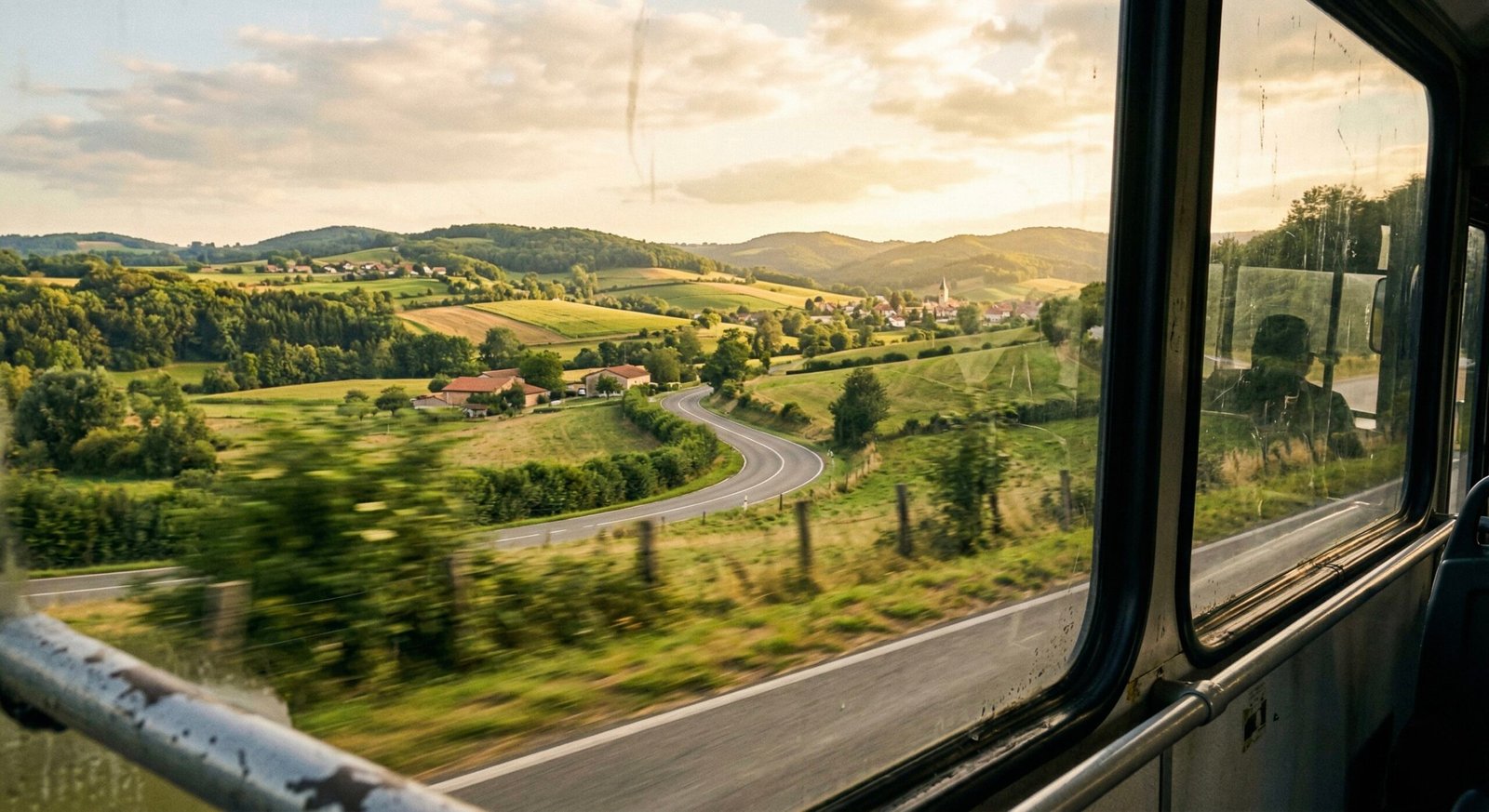
Transport is typically your largest single expense on any European trip. It is also where the biggest savings are available if you know what you are doing.
Long-distance buses versus budget flights
The instinct is to search for a flight first. The smarter move is to check the bus. FlixBus and other long-distance operators now connect hundreds of European cities at prices that budget airlines cannot match once you factor in checked luggage, seat selection fees, and the inevitable taxi from a secondary airport to the city centre. Frankfurt to Prague by bus costs around €15 to €25. Frankfurt to Amsterdam runs €15 to €30. These are real totals, not headline fares.
Book six weeks out minimum
European bus and rail pricing follows the same yield management logic as flights. The earlier you commit, the less you pay. A journey that costs €35 when booked last minute often sits at €10 to €12 when booked six weeks in advance. If you know your dates, locking in early is the single highest-return action you can take.
The Deutschlandticket advantage
If your trip starts in Germany, the €58 monthly Deutschlandticket covers every regional train, tram, bus and some ferry services across the entire country. It includes city transport, so you are not separately buying metro tickets in Frankfurt, Munich or Berlin. For any trip originating from a German city, this card pays for itself almost immediately.
Night journeys as a strategic tool
An overnight bus from Berlin to Kraków that departs at 11pm and arrives at 8am has effectively paid for itself. You have travelled between countries and slept simultaneously. That is one full night of accommodation cost eliminated. On a week-long trip, one or two overnight legs can meaningfully shift your overall budget.
 Accommodation: What the Best Travellers Actually Book
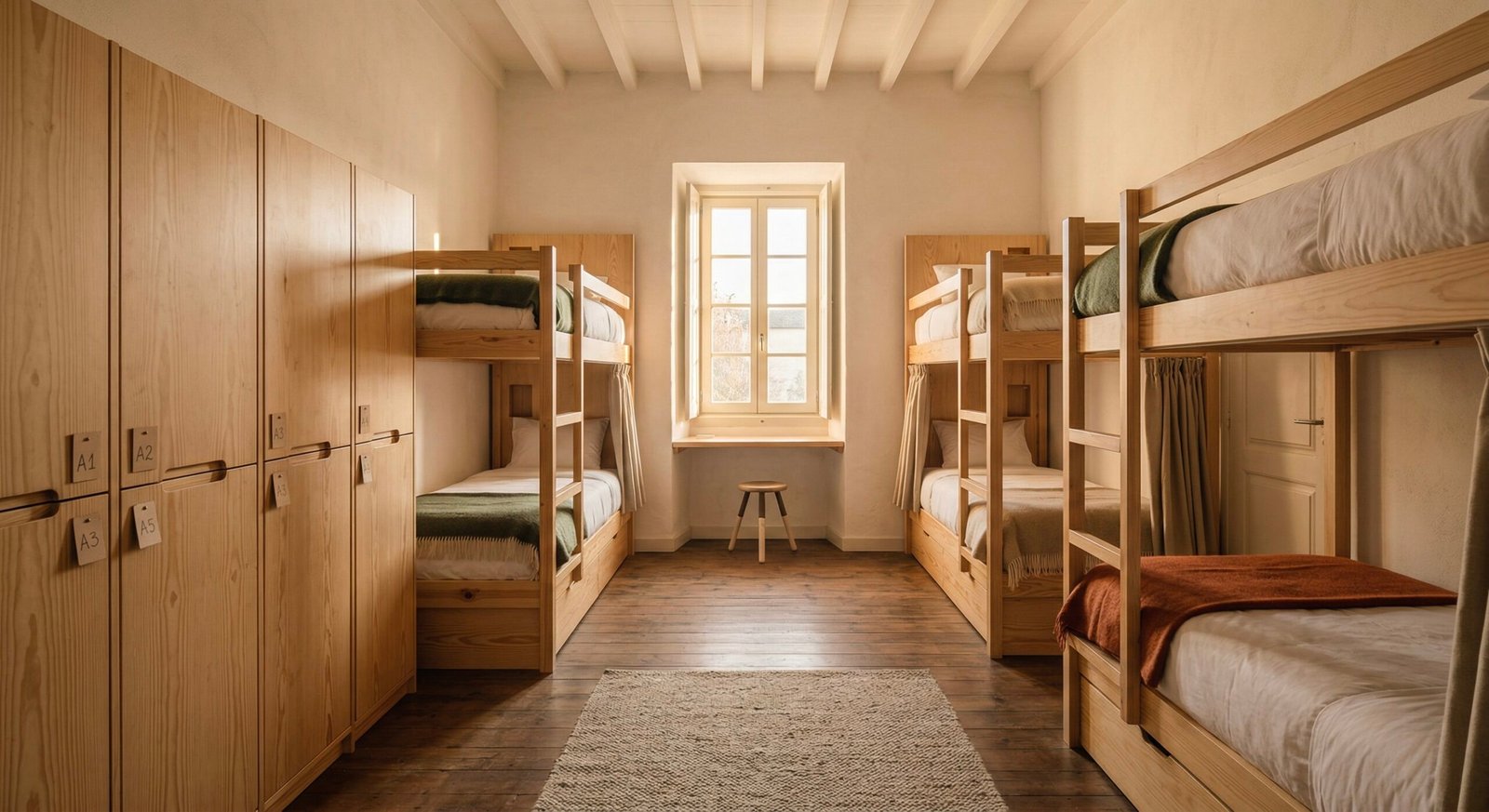
The hostel market in Europe has changed considerably in the past five years. The boutique hostel category has matured into something genuinely worth choosing, not just tolerating. Properties with thick mattresses, individual reading lights, secure lockers and well-designed common spaces now exist across the continent at price points that hotels cannot come close to matching.
2026 dorm price benchmarks by region
Eastern Europe: €12 to €20 per night. Central and Southern Europe: €18 to €28. Western Europe: €25 to €40. At the lower end of these ranges, in cities like Sofia, Brașov or Wrocław, you get genuinely excellent accommodation.
The review score rule
Never book below a score of 8.5 on Hostelworld or Booking.com. Read specifically the reviews from the past three months. A property can improve or decline quickly, and older reviews may not reflect current reality. Look for mentions of staff quality, cleanliness and noise levels. Those three factors determine the actual experience more than any other variable.
The proximity trade-off calculation
A hostel 20 minutes from the city centre by metro that costs €10 less per night saves you €70 over a week-long trip. That covers two full days of food in Eastern Europe. Run this calculation for every destination before defaulting to the most central option.

Food: The Insider Framework
The single most reliable rule in European travel food is this: do not eat within 200 metres of a major tourist attraction. Prices are higher, quality is lower, and the experience is designed for people who will never return. Walk five minutes in any direction and the entire equation changes.
The daily lunch menu system
Across Central and Eastern Europe, restaurants offer a fixed lunch menu between noon and 3pm. In Poland it is called menu dnia, in Czech Republic obědové menu, in Hungary napi menü. Two or three courses, often including a soup, for €5 to €9. This is how local professionals eat every workday. It is invariably the best food at the best price in any given neighbourhood. Make it your main meal and treat dinner as lighter and more flexible.
Street food as a genuine cultural experience
Zapiekanka in Kraków costs under €3 and is one of the most satisfying things you will eat in Poland. Pastéis de nata from the original Pastéis de Belém in Lisbon costs €1.20. Čevapi in Zagreb comes in under €5. These are not compromise options. They are the authentic food of those cities, eaten by local people daily. Seek them out specifically.
Your Curated Local Lunch Map Across Central Europe
We have spent considerable time building a curated Google Map of the 15 best local lunch spots across Central Europe. The kind of places where a full meal costs under €8 and the menu is written only in the local language because they are not expecting tourists. It covers Warsaw, Kraków, Wrocław, Budapest, Prague and Bratislava.
It is not publicly listed. To get the direct link, send us a DM on Instagram with the word EUROPE and we will send it straight to you. Find us at @ytrips.eu.
Activities: The Free Culture Advantage
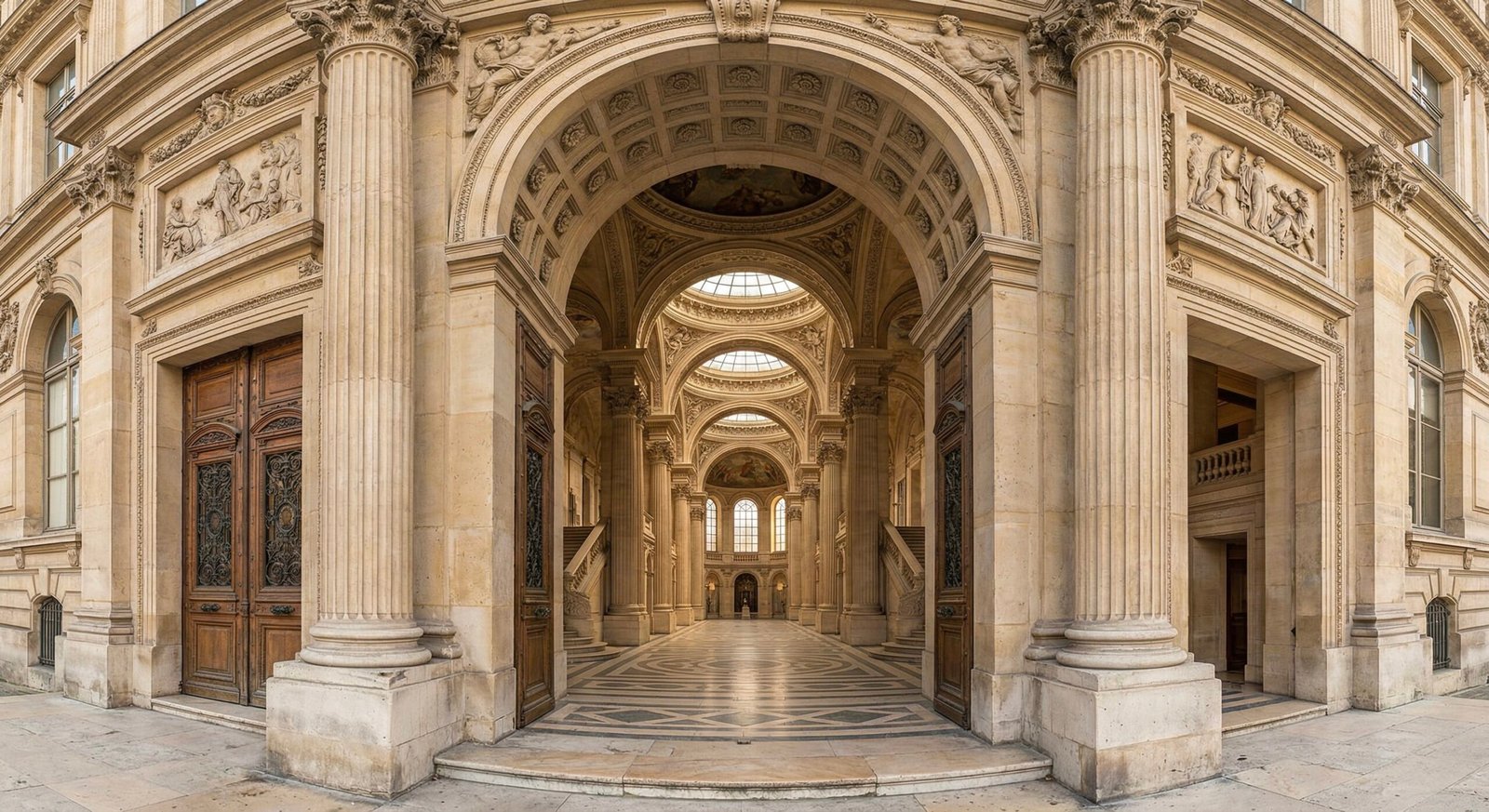
European cities carry centuries of history in their public spaces. Most of the best things to see cost nothing at all. The Charles Bridge in Prague. The Acropolis hill in Athens from below. The Vitosha Boulevard in Sofia. The entire old town of Bratislava. Free walking tours operate in virtually every major European city, run by local guides on a tip basis. Pay €10 to €15 at the end for a good one. In two hours you will understand a city better than most visitors manage in three days.
The ISIC card
The International Student Identity Card delivers 30 to 50 percent off at hundreds of museums, galleries, transport networks and accommodation providers across Europe. If you are currently in education, this is a non-negotiable purchase before any European trip.
The One Strategic Decision That Changes Everything
Choose your cities carefully. Paris, Amsterdam, London, Barcelona and Rome are genuinely extraordinary places. They are also genuinely expensive ones. On a focused European trip with a considered budget, you will have a richer, more immersive, more memorable experience in Lisbon, Budapest, Wrocław, Sofia and Ljubljana than in any five Western capitals.
The cities that deliver the most in 2026 are the ones that have not yet been fully discovered by mass tourism. That window does not stay open indefinitely.
Why Group Travel Changes the Economics Entirely
Group travel unlocks a different set of economics. Accommodation splits differently. Transport costs are shared. The overall cost per person drops while the quality of the experience goes up. More than that, you arrive in an unfamiliar city with a group of people who are all there for the same reason you are.
This is the model Ytrips is built on. Group trips across Europe with transport, accommodation and a Trip Leader arranged in advance. You book your place, we handle the logistics, and you show up ready to go. Our 2026 trip calendar is in development now and places are limited.
👉 Join the Ytrips waitlist and be among the first to know when bookings open.
All cost data sourced from Numbeo, Hostelworld, and FlixBus pricing (April 2026). Figures are approximate and vary by season and booking timing.